- ///
- Sustainable Property Development: The Future of Real Estate?
Sustainable Property Development: The Future of Real Estate?

 6 min read6 min read
Imagine a building that not only shelters its inhabitants but also nurtures the environment. Picture a neighborhood where solar panels gleam in the sunlight, rainwater harvesting systems reduce water wastage, and greenery is as much a part of the design as concrete and glass. This isn’t a far-off utopia; it’s the direction real estate is headed, and Sri Lanka is catching the wave.
Sustainable property development is no longer a luxury or an afterthought - it’s becoming the cornerstone of modern real estate. With rising environmental concerns and shifting consumer preferences, the call for eco-friendly construction practices is louder than ever. But what does this mean for developers, investors, and homeowners in Sri Lanka? Let’s explore how sustainable property development is shaping the future of real estate in the island nation.
Why Sustainability Matters in Sri Lankan Real Estate
Sri Lanka’s real estate sector is a microcosm of global trends, influenced by environmental imperatives and economic aspirations. As the country urbanizes and expands, the construction industry faces the dual challenge of meeting housing demands while minimizing environmental impact.
Addressing the Environmental Imperative
Sri Lanka is rich in biodiversity, but urban expansion poses significant environmental risks. Unsustainable construction practices deplete resources, increase greenhouse gas emissions, and contribute to waste generation. Sustainable development helps mitigate these effects by promoting eco-friendly materials, energy efficiency, and waste reduction.
Meeting Consumer Demand
Modern homebuyers and investors are increasingly conscious of sustainability. From millennials seeking green living spaces to global investors looking for eco-friendly projects, demand is shifting towards properties that are both functional and environmentally responsible.
The Building Blocks of Sustainable Development
1. Green Building Certifications
In Sri Lanka, green certifications like the Urban Development Authority’s "Green Rating" system are setting the standard for environmentally responsible construction. Developers who earn these certifications signal their commitment to sustainability, which can attract both buyers and investors.
2. Energy Efficiency
Energy-efficient designs are transforming how buildings consume power. Features like passive cooling, double-glazed windows, and renewable energy sources such as solar panels are reducing energy costs and dependence on non-renewable sources. For Sri Lanka, with its abundant sunlight, solar energy is an untapped goldmine.
3. Sustainable Materials
Traditional Sri Lankan materials like clay, timber, and stone are making a comeback, celebrated for their low carbon footprint and cultural significance. Alongside these, modern innovations like recycled steel and prefabricated materials are gaining traction for their durability and sustainability.
4. Smart Water Management
From rainwater harvesting systems to efficient plumbing fixtures, sustainable projects focus on conserving water. This is especially critical in Sri Lanka, where fluctuating monsoon patterns can strain water resources.
5. Greener Spaces
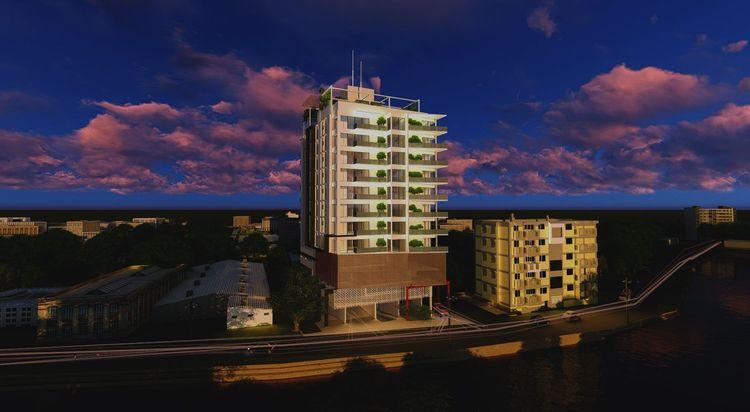
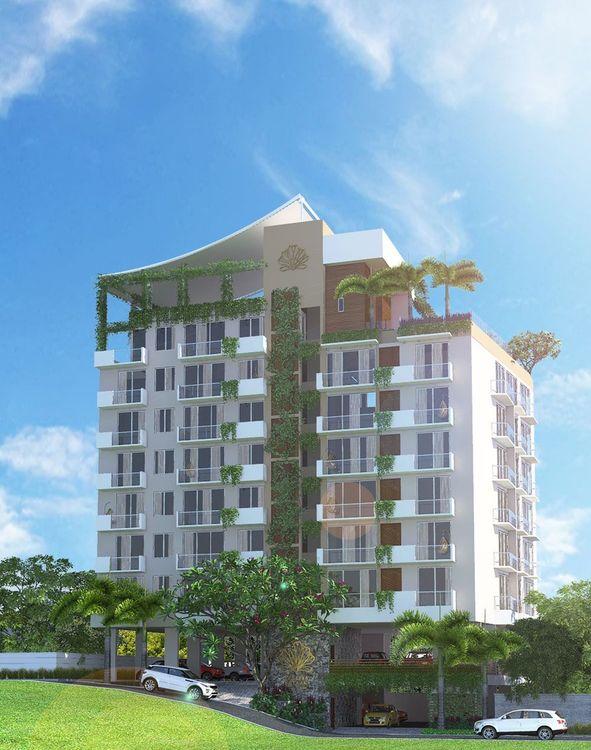
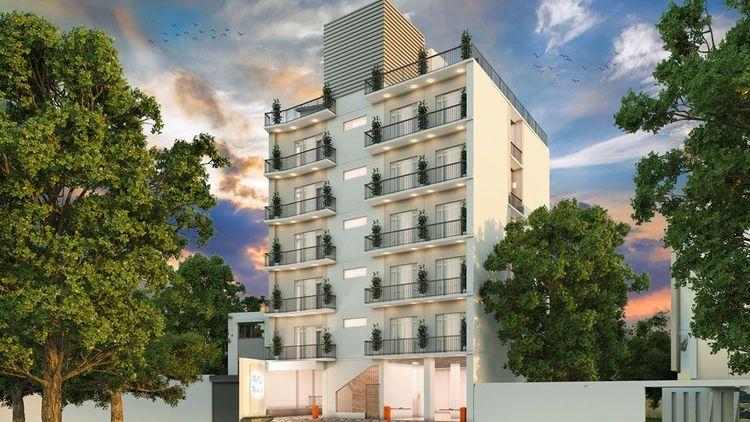
Integrating green spaces into property designs is not just aesthetically pleasing but also environmentally significant. Roof gardens, vertical greenery, and community parks are becoming common features in sustainable developments, promoting biodiversity and improving air quality.
The Benefits of Going Green
1. Lower Operational Costs
While sustainable developments may have higher upfront costs, the long-term savings are significant. Energy-efficient buildings reduce electricity bills, while water-saving technologies cut utility costs.
2. Enhanced Property Value
Green-certified properties often command higher market values and rental rates. They appeal to eco-conscious buyers and tenants who are willing to pay a premium for sustainable features.
3. Better Quality of Life
Living in a sustainable property means enjoying better air quality, natural lighting, and a healthier indoor environment. For homeowners and tenants, these benefits translate into improved well-being and productivity.
4. Alignment with National Goals
Sri Lanka has pledged to reduce greenhouse gas emissions by 14.5% by 2030 under the Paris Agreement. Sustainable property development directly contributes to this goal, aligning individual projects with the nation’s broader environmental objectives.
The Challenges of Sustainable Development
While the rewards are clear, the road to sustainable real estate is not without its hurdles.
1. Higher Initial Costs
Eco-friendly technologies and materials can be more expensive upfront. Developers need to strike a balance between sustainability and affordability to appeal to a wider market.
2. Limited Expertise
The industry requires more trained professionals who understand sustainable construction techniques. Increased education and capacity-building initiatives are essential to drive widespread adoption.
3. Regulatory Barriers
Navigating permits and adhering to sustainability guidelines can be challenging. Streamlining these processes and offering incentives can encourage more developers to embrace green practices.
Sri Lanka’s Green Future: Opportunities and Innovations
Sri Lanka is uniquely positioned to become a leader in sustainable property development. The nation’s commitment to sustainability, coupled with its abundant natural resources, provides a strong foundation for innovation in real estate.
Tourism Meets Sustainability
With tourism playing a significant role in Sri Lanka’s economy, sustainable hotels and resorts are a growing trend. These projects combine luxury with eco-conscious practices, appealing to environmentally aware travelers and boosting the country’s green credentials.
Community-Centric Developments
Mixed-use developments that integrate residential, commercial, and green spaces are on the rise. These projects foster community living while minimizing environmental impact, offering a glimpse into the future of urban planning in Sri Lanka.
Practical Tips for Developers and Investors
1. Partner with Experts
Collaborate with architects, engineers, and consultants who specialize in sustainable design. Their expertise can help navigate challenges and create innovative solutions.
2. Focus on Location
Select locations that maximize natural advantages, such as sunlight for solar energy or proximity to green resources. This reduces the need for artificial interventions and enhances sustainability.
3. Leverage Incentives
Take advantage of government incentives for green buildings, such as tax rebates or fast-tracked approvals. These can offset higher initial costs and improve profitability.
4. Educate Stakeholders
Create awareness among buyers, tenants, and investors about the benefits of sustainable properties. An informed market is more likely to support and invest in green initiatives.
Building a Legacy of Sustainability
Sustainable property development is not just the future of real estate; it’s the present imperative. In Sri Lanka, where environmental preservation and urban growth must coexist, green building practices offer a path forward. By embracing sustainability, developers, investors, and homeowners can create properties that are not only profitable but also purposeful - building not just for today, but for generations to come.
As the real estate sector evolves, the question is no longer whether to go green, but how soon you can start. In the end, sustainable development is more than a strategy; it’s a responsibility and an opportunity to build a better tomorrow.